Sen. Kirk picks Manish Shah for appointment to federal bench
U.S. Senator Mark Kirk (R-Ill.) has recommended Manish Shah of Chicago, Chief of the Criminal Division of the U.S. Attorney's Office and former Chief of its Appellate Division, for appointment to the United States District Court for the Northern District of Illinois.
“I am proud to put forward the name of Manish Shah to be the next federal district court judge for Northern Illinois,” Senator Kirk said. “He’s the most experienced prosecutor we have, and because of his stellar record in working with former U.S. Attorney Patrick Fitzgerald, I think he is the best one for the bench. I look forward to working with Senator Durbin to make sure we have highly-skilled candidates like Shah to help strengthen our courts and clean up Illinois.”
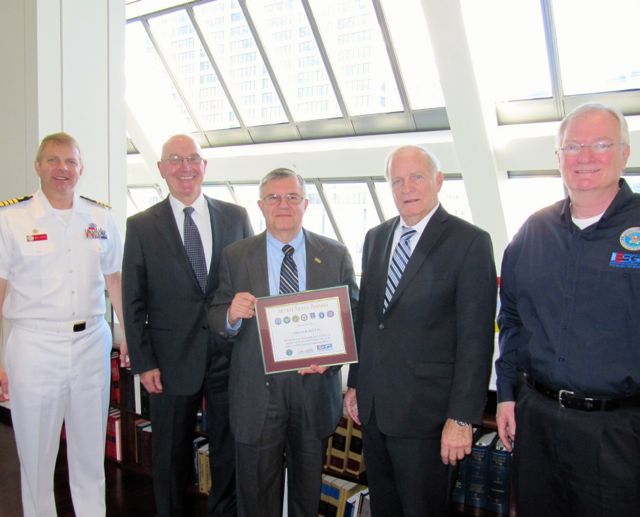 Johnson & Bell received the highest state level award from the Illinois Committee of the Employer Support for the Guard and Reserve (“ESGR”) for its support for members of the United States military services.