
CLE: Local Government: Issues in Challenging Times
The practice of law involving local government is diverse and, although one’s practice may be focused, a good local government lawyer needs to be well-versed in all aspects of local government representation. Get the information you need on economic development issues, mid-contract actions, and the role of social media with this informative half-day seminar in Chicago on May 24th! A discussion on the ethical issues concerning the secrets within the attorney-client relationship and a transparent government is also included. Attorneys engaged in representing or dealing with any form of municipal government will benefit from the information presented throughout this seminar.
The program is presented by the ISBA Local Government Law Section and qualifies for 4.0 hours MCLE credit, including 2.0 hours approved Professional Responsibility MCLE credit.
Click here for more information and to register.
Can’t attend on May 24th?Visit http://isba.fastcle.com for access to the online recorded version of this program approximately 6 weeks after the program.
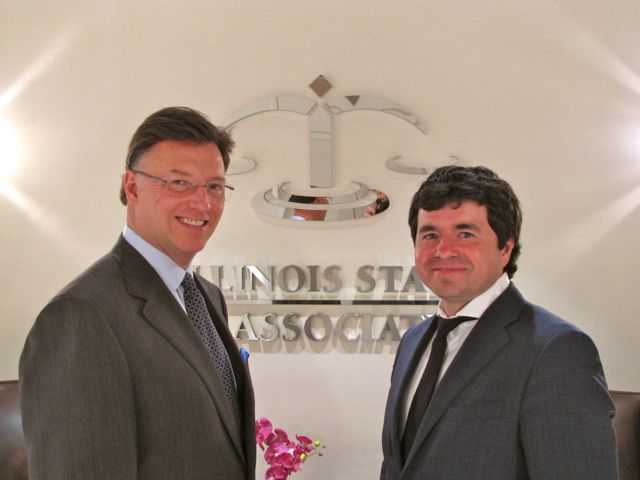 Illinois State Bar Association President John G. Locallo recently met with Moldovan Bar Association President Alexander Turcan. Mr. Turcan was visiting the ISBA to get a greater understanding of the operations of bar associations.
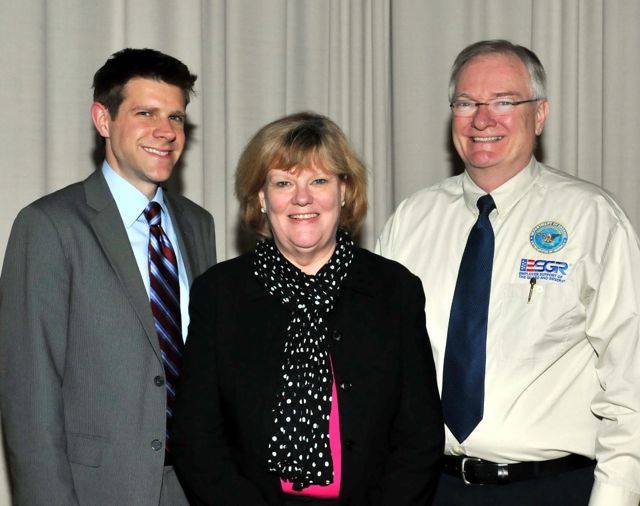 "Veterans Court" and "Military Legal Rights," two half-hour programs presented by Illinois Law, will air on Tuesdays in May and June at 10 p.m. on Chicago Access Network Television, Channel 21 in Chicago. Illinois Law is a cable production of the ISBA can also be viewed online at
 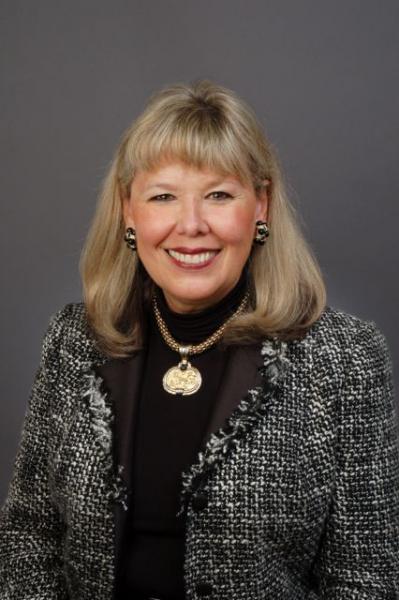 ISBA 2nd Vice President Paula H. Holderman was one of six ISBA members honored by Chicago Lawyer Magazine as Women Making an Impact in 2012.