

ISBA Rural Practice Section Council Member Profile: Ted M. Niemann
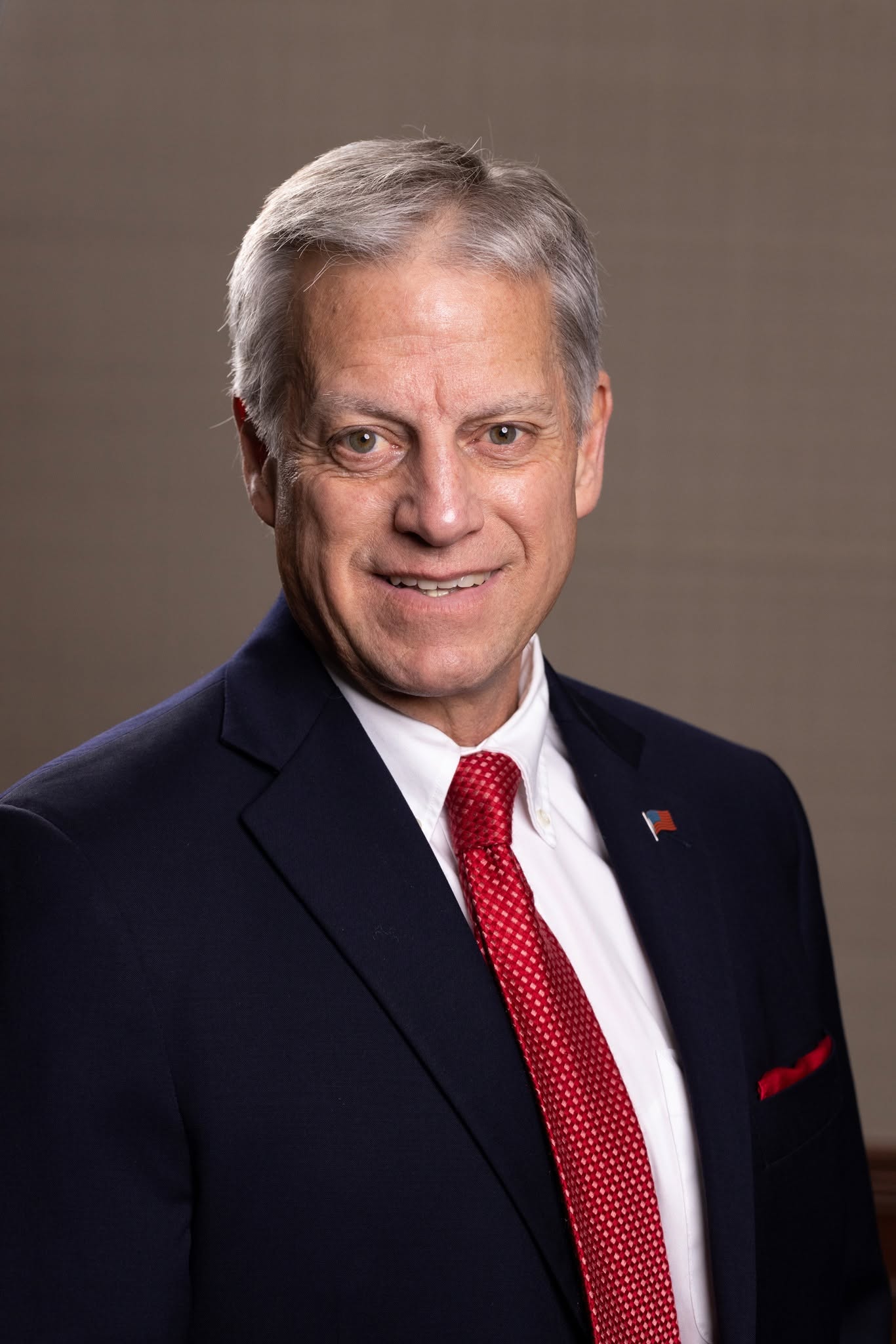
Background and introduction
1. Full Name: Ted M. Niemann
2. Hometown/Current Residence: Quincy, Illinois (Adams County)
3. Law School Attended and Year of Graduation: DePaul University College of Law; 1983
4. Year Admitted to the Illinois Bar: 1983
5. Current Role or Status (e.g., practicing attorney, judge, retired): ISBA’s Treasurer; Member of the ISBA Board of Governors for Area VI (Circuits 7, 8, & 9) & Board Liaison to Rural Practice, Real Estate, & Agricultural Law Section Councils
6. Brief overview of your current or most recent practice: I have been practicing law for 43 years as an associate and, since 1989, as a general partner of Schmiedeskamp Robertson Neu and Mitchell LLP of Quincy, Illinois. I continue to focus my practice in the corporate, commercial, real estate, banking, agricultural, estate planning, banking and collection law areas.
Career path and practice
Q: What inspired you to pursue a legal career, particularly in a rural setting?
A: I knew that I wanted to become a lawyer since the 8th grade. I was the first in my family to attend law school and was drawn by the notion of helping people solve problems including legal matters I anticipated would arise in my family’s retail grocery store business and other family businesses and matters.
Q: What areas of law have you focused on throughout your career?
A: Throughout my career, I’ve primarily focused on real estate, commercial, banking, corporate, estate planning and administration, agriculture, and debt collection law. Although I began my career as a litigator, after more than 40 years of practice I can relate to Tom Cruise's character, Lt. Daniel Kaffee, in A Few Good Men when he says, "So this is what a courtroom looks like."
Q: Did you always intend to practice in a rural area? Why or why not?
A: Initially, I wanted to live and work in a big city, so I chose DePaul University, College of Law, for law school. I was drawn to the excitement and myriads of opportunities that a big city offers. After spending my law student chapter in Chicago, I felt called to come home to Quincy, based on my desire to practice law as a member of the firm which employed me as a law clerk, Schmiedeskamp Robertson Neu & Mitchell LLP, to provide legal services to my family’s grocery store business and my family, and to enjoy the quality of life offered by Quincy, Illinois.
Q: Describe your typical client base and the community you serve.
A: I represent a family-owned chain of grocery stores operating in more than 150 locations in four states, several regional banks, other retail businesses, and a publicly held wheel and tire manufacturer. In addition, I represent individuals in estate planning and administration and a broad spectrum of other legal matters.
Quincy is a western Illinois Mississippi River community with a strong local identity and deep-rooted family and business ties. It is a close-knit community where reputation and long-standing relationships carry significant weight. In light of this, it has come naturally for me to serve on many non-profit boards, as my family and law firm have encouraged me to become involved in many philanthropic activities.
Q: What do you enjoy most about your legal career?
A: I truly enjoy the clients I serve, especially my brothers and other members of my family, the opportunity to collaborate with my hardworking colleagues at Schmiedeskamp, and the many benefits of my ISBA membership. What I value most about the ISBA, though, is its members. It goes far beyond networking—it’s about building meaningful, lasting relationships. We come together around a shared purpose in giving back to the ISBA and, consequently, the legal profession. We support one another in our work and genuinely enjoy the process.
Q: What aspects of the practice are most challenging or frustrating?
A: The most challenging aspect of my practice is balancing the demands of representing numerous clients and managing a busy caseload while remaining active in the ISBA and making time for my family and friends. I find the continual pursuit of that balance to be one of the most rewarding aspects of my professional and personal life.
Q: Was there anything you actively worked to change or improve in the legal system or in your practice environment?
A: I have made it my mission to raise public awareness of legal deserts and to advocate for the urgent need for attorneys in rural counties. On one occasion, I was a guest on a local radio station to help bring attention to the issue. As an ISBA member of the Board of Governors and Treasurer, I am planning a rural practice speed networking event in an effort to combat the “attorney desert” or lack of attorneys in many cities and towns, rural and otherwise, in Illinois which are outside of the large metropolitan areas.
Q: How has rural legal practice changed over the course of your career?
A: When interviewing for new associates, a trend I hear in their interviews is that new lawyers want the following: (1) to work from home; (2) in lieu of #1, they want to bring their dog to work; (3) they want their firm to pay for their gym membership bill; and (4) they don’t want billable hours. More than this, most young attorneys want to live and work in the city. Most, if not all, small towns and rural areas in Illinois, including Quincy, Illinois, are suffering from an insufficient number of practicing attorneys.
Accomplishments and contributions
Q: What professional accomplishments are you most proud of?
A: I was honored to receive the ISBA’s Matthew Maloney Tradition of Excellence Award in 2023 which is an award I hold in high regard because it was a result of my ISBA peers’ recognition of my ISBA accomplishments. Recently, I spoke at the Fourth District new lawyer admission ceremony on behalf of the ISBA. In addition, I certainly value my election to the ISBA Board of Governors and Assembly, as well as my recent election at which time I was elected as ISBA Treasurer.
Q: Have you been involved in community service, local organizations, or bar association work? Please describe.
A: In addition to serving on ISBA’s Board, I was elected to the Standing Committee on Scope and Correlation, which reviews the structure, functions, and activities of the Association’s committees, sections, and related bodies. I have also served on—and previously chaired on two occasions—the ISBA Real Estate Law Section Council. I am a past author and presenter for the Illinois Institute of Continuing Legal Education (IICLE©) and a former president of the Adams County Bar Association.
My civic involvement includes serving as past president of the Quincy Park Foundation, the Rotary Club of Quincy, and Quincy Regional Crime Stoppers. I have also volunteered with my local YMCA and as a board member of the Two Rivers Council of Girl Scouts, Inc.
Q: Are there any cases, projects, or experiences that stand out as especially meaningful or impactful?
A: In serving on the ISBA Real Estate Law Section Council for approximately 25 to 30 years, including serving as chair twice, I came to realize that what really stands out in my mind are the many professional and personal relationships I have developed with ISBA members while engaged in this section’s business.
In 2015 and again in 2018, I had the distinct privilege of presenting my two eldest daughters with their law degree diplomas—moments of immense pride that marked the culmination of their dedication, perseverance, and years of hard work.
Looking ahead
Q: What advice would you give to young attorneys considering rural practice?
A: You can make an even greater impact in a rural practice over an urban practice. Our clients are the same people we sit next to in church, see at the local grocery store, and wave to from the opposing bleachers on “Friday Night Lights.” When we help them, it carries a deeper meaning, and it drives us to go above and beyond to solve their problems. Rural communities need young attorneys, and there’s a real opportunity to make a difference where it matters most.
Q: What opportunities do you think exist today in rural law practice that didn’t exist earlier in your career?
A: Early in my career, there were far fewer opportunities for young attorneys than there are today. As many of the solo practitioners and small-firm lawyers from that era have retired or passed away, they have left established practices with loyal client bases ready for the next generation of lawyers to serve.
Q: How can the Rural Practice Section Council better support attorneys in rural areas?
A: Strengthen the relationship between the ISBA and rural bar associations to address declining membership. The Council should advocate for rural associations that lack websites and help connect them with ISBA resources to better serve their members. It should also continue supporting the expansion of the Rural Practice Fellowship Program to encourage and sustain the next generation of rural lawyers.
Q: Anything else you'd like to share with your peers or the broader legal community?
A: I have spent my entire 43-year legal career practicing at Schmiedeskamp, Robertson, Neu & Mitchell LLP in Quincy, building my practice and serving clients there from day one.