
IJA to present distinguished service award to Judge Carole Bellows
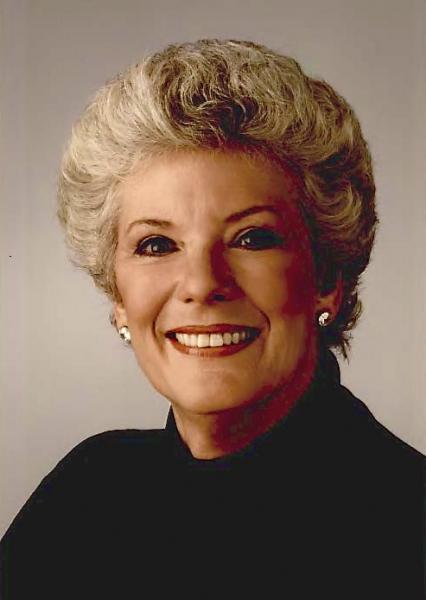 Hon. Rita M. Novak, president of the Illinois Judges Association (IJA), will present the organization’s Distinguished Service Award to Judge Carole Kamin Bellows for her dedicated leadership to the bench, bar and local community on Thursday, March 28, at 3 p.m., at the Richard J. Daley Center, 50 W. Washington, Courtroom 1905, in Chicago.
The Distinguished Service Award is intended to recognize judges who have demonstrated exemplary service to citizens, bench, and bar as shown by devotion to the law, efforts to improve the legal and judicial communities, reputation for honor, integrity, legal knowledge and diligent service, and otherwise distinguishing him or herself as an Illinois judicial officer.
 Several members of the Illinois State Bar Association and students from The John Marshall Law School donned stovepipe hats and marched in the St. Patrick’s Day Parade along Columbus Drive near downtown Chicago on March 16. The group marched alongside the ISBA's mobile billboard, which features a photo of Lincoln the lawyer with a message that reads: “Illinois has a history of some pretty good lawyers. We’re out to keep it that way.”
 Dorothy Brown, Clerk of the Circuit Court of Cook County, announced Thursday a new mobile app designed to put a wealth of court-related information at the user’s fingertips. Called Court Clerk Mobile Connect, it offers a variety of features that users can access including options to search the court’s electronic docket for civil and traffic cases, search the court call roster, get updated fee schedules and locate and contact Cook County Court facilities.