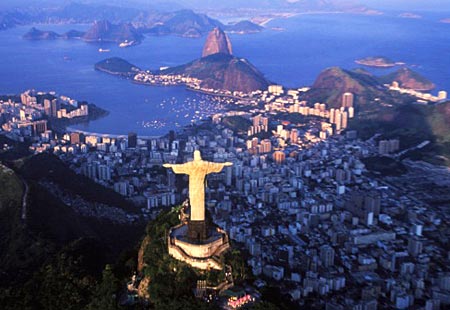
 SBA President John G. Locallo is excited to personally invite you, a guest, your family and friends to join him in South America for the Annual ISBA President’s trip May 5-12, 2012. Guests will spend a week in Buenos Aires, Argentina and Rio de Janeiro, Brazil.
The trip will be extra special as President Locallo has intentionally left plenty of time for you to explore the two cities on your own or with his sister and brother-in-law -- who lived there. He has also arranged a local expert to be on hand in both cities to help you thoroughly enjoy your time. The hotels are centrally located to maximize walking and President Locallo has a special event planned in each city to show off the local culture and cuisine. There will also be a full-time escort from Carrousel Meetings & Incentives to help with anything you need while in South America.
For more information and to register please visit the ISBA Argentina/Brazil President’s Trip website at www.regonline.com/ilstatebarassociation.

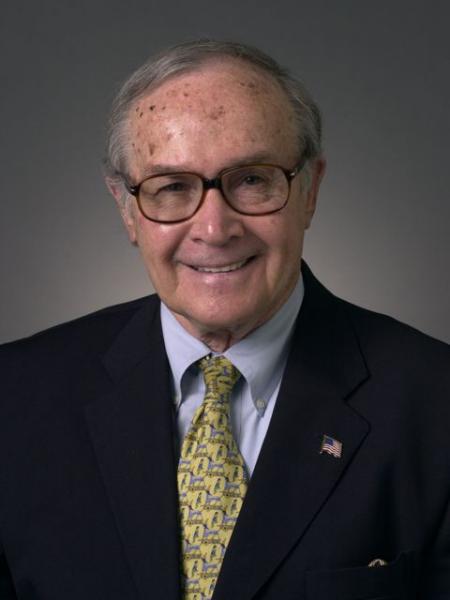 The Illinois Bar Foundation will honor former FCC Chair and longtime Sidley Austin managing partner Newton Minow as the 2011 Recipient of the Distinguished Award for Excellence.
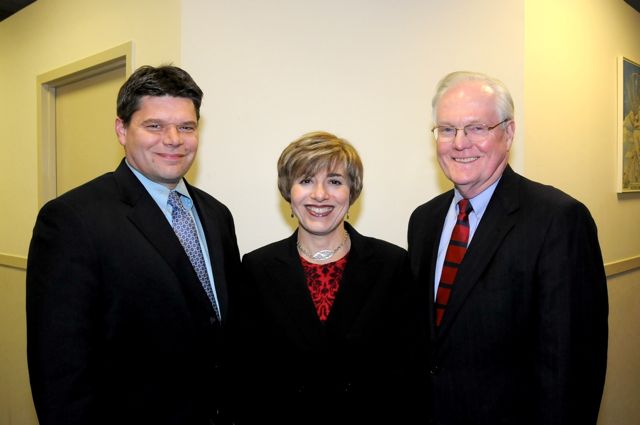 “Juvenile Incarceration: Alternatives/Placements/Visitation/Release,” a half-hour program produced by Illinois Law, will air on Chicago Access Network Television, Channel 21 in Chicago, on Tuesday, August 30 at 10 p.m. Illinois Law is a cable production of the Illinois State Bar Association (ISBA).