
Cell phones and eavesdropping
There has been a surge in prosecutions against citizens for recording public officials while those officials are performing public duties. The charge is a Class 1 felony for violating the Illinois Eavesdropping statute.
You know the drill--a motorist is pulled over for a traffic stop, records the officer, the officer gets mad and arrests the motorist for violating the officer's right to privacy under the eavesdropping law. There is usually no underlying arrest against the motorist. Or, a homeowner records an arrest from his or her bedroom window and is arrested for a Class 1 felony for doing this.
Earlier this year a downstate auto mechanic in Robinson, Illinois was charged in a five-count information for allegedly recording these public officials while they were conducting public business in a public place: the judge, the chief of police, a police officer, a circuit clerk, and the city attorney.
Earlier this week Judge David K. Frankland filed an opinion in this Crawford County case dismissing the charges because this part of the Eavesdropping statute violated substantive due process and the First Amendment. His opinion is a crisp, clear, and concise defense of the First Amendment and due process. Click here to read it
William A. Sunderman of Charleston, Illinois represented the defendant pro bono.
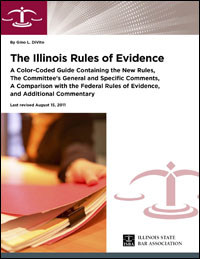 Don't be without this handy hard-copy version of Gino L. DiVito's color-coded analysis of the new Illinois Rules of Evidence, which is otherwise available only on the web. The guide compares the new Illinois rules with the FRE and provides insightful commentary. DiVito, a former appellate justice, is a member of the Special Supreme Court Committee on Illinois Evidence, the body that formulated the rules and presented them to the Illinois Supreme Court.
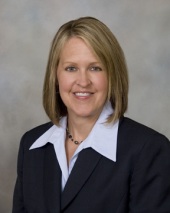 The Illinois Supreme Court has announced today that Marcy L. Buick received most of the votes cast by the circuit judges in the Sixteenth Judicial Circuit and is declared to be appointed to the office of associate judge.