
Early Booking Promotion for ISBA Mediterranean Cruise Available Through Nov. 30
 Book your cruise and airfare for the ISBA Mediterranean Cruise with President Russell W. Hartigan by Thursday, Nov. 30, to receive a $500 per person airline credit.
The cruise is a nine-night voyage aboard the Amazara Quest, departing from Barcelona, Spain, on May 15 and arriving in Nice, France on May 24.
Additional details about the cruise and its itinerary are available through the Member Marketplace. To take advantage of the early booking promotion, fill out the Mediterranean Cruise Registration Form and follow the submission instructions.

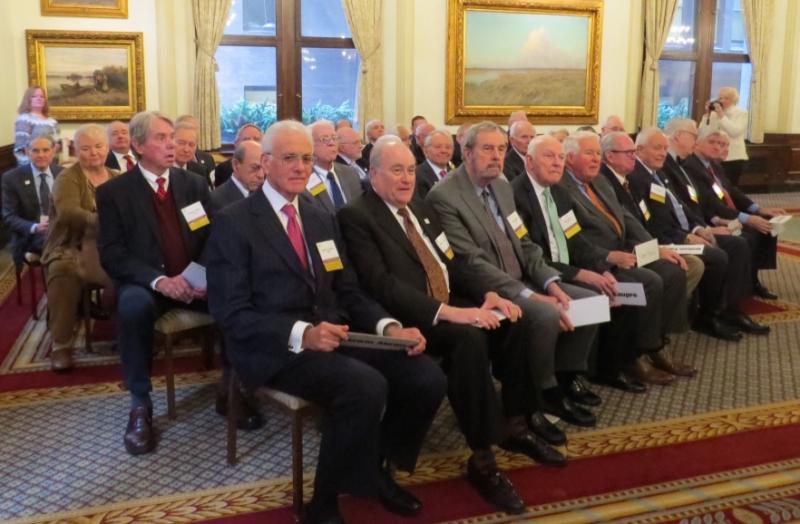 The annual Distinguished Counsellors Luncheon honoring ISBA members who have been admitted to the bar for a period of 50 years was held yesterday, Thursday, Nov. 16, at the Union League Club in Chicago. Justice John B. Simon, appellate judge for the First District, spoke on behalf of the Class of 1967. In total, there were 168 honorees.
  Mental illness in children is more common than many may think, with anxiety disorders, depression, and attention deficit disorders being among the most prevalent. Developmental and psychotic disorders are less common, but can impact the child and their families in much greater ways. Don’t miss this seminar on December 13, 2017 in Chicago or via live webcast that discusses a number of key issues that attorneys need to be aware of when handling cases involving mentally ill children, including: how the Illinois Mental Health and Developmental Disability Act addresses children’s rights; the confidentiality of minor’s mental health records; the communication barriers with children who are diagnosed with mental illness; and how to promote better dialogue between attorneys and mental health professionals.
 Chicago Bulls vs. New York Knicks
 Asked and Answered
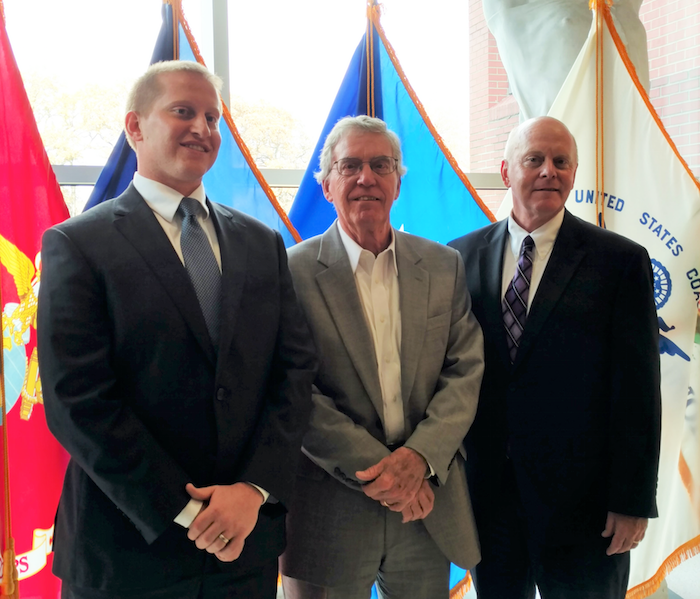 Last Thursday, Nov. 9, 1,335 new attorneys were admitted to practice law in Illinois after taking the attorney's oath at five separate ceremonies across the state, bringing the total number of licensed attorneys in Illinois to approximately 98,000. Illinois Supreme Court and Illinois Appellate Court justices presided over the ceremonies.