
CLE: Nuts and Bolts of the Tax Tribunal
 The Illinois Tax Tribunal was created in an effort to help resolve tax disputes between the Illinois Department of Revenue and Illinois taxpayers. This nuts-and-bolts seminar – which takes place in Chicago or via live webcast on November 30, 2017 – is designed to give you a basic understanding of the Illinois Tax Tribunal, including: how the Tribunal has fared since its inception four years ago; which items have worked well and what still needs improvement; how the Tribunal has impacted tax audits, litigation and administrative hearings in Illinois; what to consider before agreeing to represent a taxpayer; Illinois’ efforts to consolidate its Administrative Hearings Divisions; and much more. The program is presented by the ISBA State and Local Taxation Section and qualifies for 3.50 hours MCLE credit.
Get more information and register on the ISBA Continued Legal Education page.
 Kerry Bryson of the Office of the State Appellate Defender reviews the Illinois Supreme Court ruling in the criminal case In re Jarquan B.
 The Illinois State Bar Association’s Lawyer Finder Service provides referrals to local lawyers Monday through Friday. The Service makes referrals in a number of areas of law. For the month of October 2017, there were a total of 1,008 calls. ISBA helped people in need of legal services find lawyers in the 35 areas of law.
 Asked and Answered
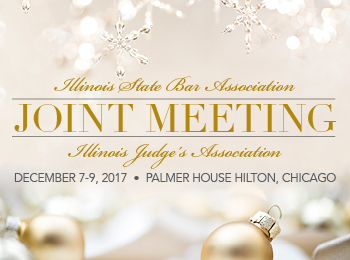 The deadline for making lodging reservations at the Palmer House Hilton for the 2017 Midyear Meeting, which will be held Dec. 7– 9 in Chicago, has been extended through Monday, Nov. 13. Our conference rate for 2017 is $179 for single or double occupancy, plus applicable taxes.