I’m not sure if there is any huge difference as long as you are consistent. The Associated Press Stylebook recommends that you should spell out one through nine and use numerals for 10 and above. Garner’s Redbook recommends that you should spell out one through ten and use numerals for 11 and above. One exception is to spell out the first word in a sentence.

Practice News
-
December 28, 2009 |
Practice News
-
December 28, 2009 |
Practice News
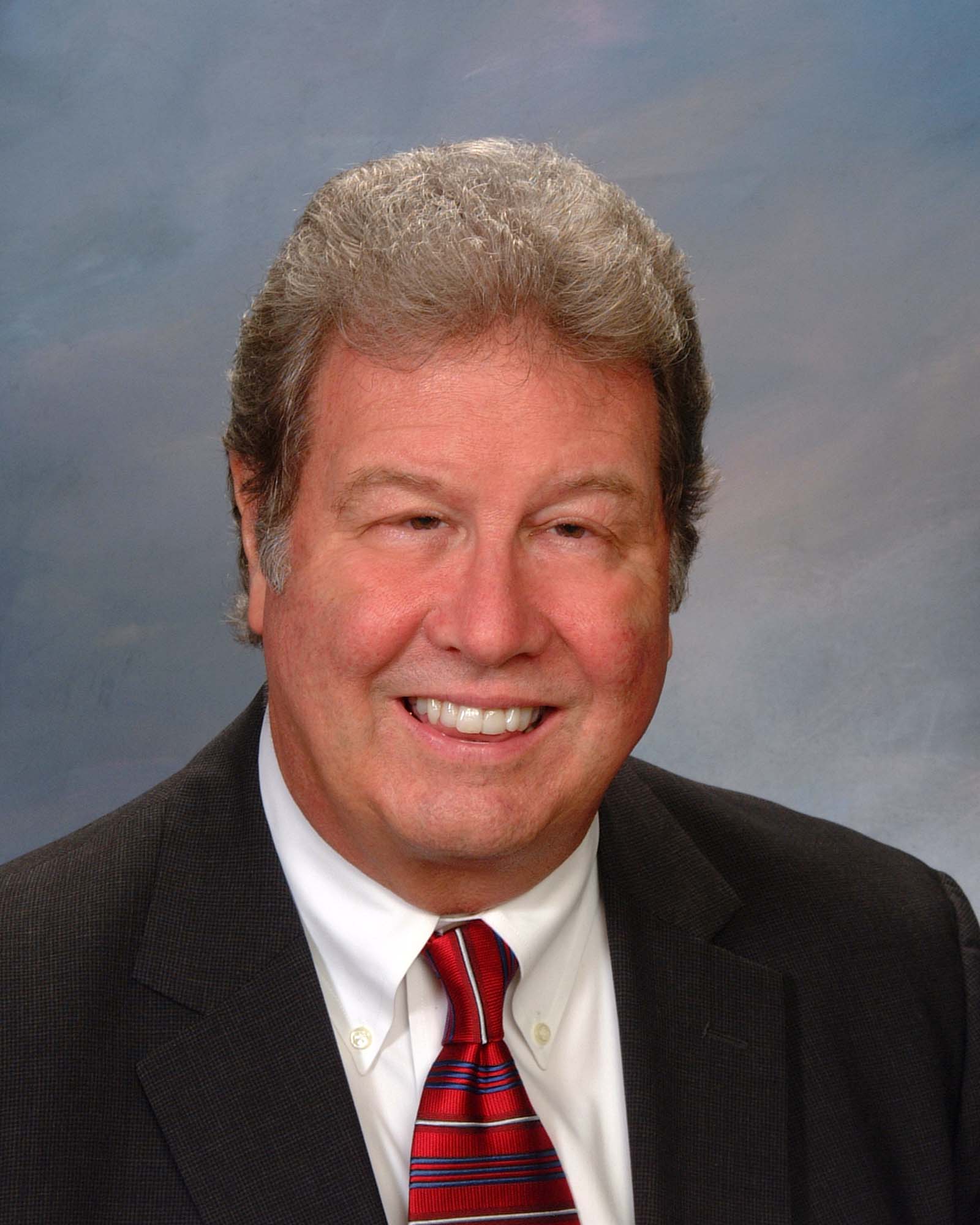
[caption id="attachment_6868" align="alignright" width="240" caption="Mick Henderson"][/caption] The Illinois Supreme Court has appointed R. Michael ("Mick") Henderson to serve as a Vice-Chairperson of the Attorney Registration & Disciplinary Commission (ARDC). His appointment is effective on January 1, 2010. Mr. Henderson is of counsel to the firm of Quinn, Johnston, Henderson, Pretorius & Cerulo, located in Peoria and Springfield. He is a well-respected trial and appellate lawyer who defends product liability claims (including automotive, aviation, agricultural, consumer and industrial issues), professional negligence matters (including physician and attorney malpractice), and defamation actions. He also handles commercial and business litigation cases. Mr. Henderson's appointment marks the first time in ARDC history that the Court has appointed a Vice-Chairperson. He has long served the ARDC with distinction, first being appointed a Commissioner on January 1, 2003, to complete the term of the Honorable Tobias G. Barry. The ARDC is composed of seven members, three of whom are non-lawyers. Attorney Benedict Schwarz II of West Dundee is the Commission Chairperson. Speaking of the appointment of Mr. Henderson as Vice Chairman, Mr. Schwarz noted: Mick has contributed much to the public and to the legal profession through his experience with the Illinois State Bar Association and the Clients' Security Fund. His sage and thoughtful advice is always appreciated by the Commissioners and he is highly regarded throughout the state. Mr. Henderson is a Past President of the Peoria County Bar Association, a Past-President of the Illinois Association of Defense Trial Counsel, a member of the Illinois State Bar Association Board of Governors from 1988 to 1994, a former Secretary of the Illinois State Bar Association, a member of the Illinois Bar Foundation Board of Directors for several years, and the President of the Lawyers Trust Fund of Illinois from 1997 to 1999. He served as the Chair of the Illinois Coalition for Equal Justice in 2004-05. Mr. Henderson was inducted as a Fellow of the American College of Trial Lawyers in 1998. He is a member of the American Bar Foundation, the Society of Trial Lawyers, the American College of Barristers, the Defense Research Institute, the Abraham Lincoln American Inn of Court and the International Association of Defense Counsel. In 2002, he received the Fellows Award for Distinguished Service to Law and Society from the Illinois Bar Foundation. Mr. Henderson received his undergraduate degree from the University of Illinois and earned his Juris Doctor from the Loyola University School of Law in Chicago.
-
December 28, 2009 |
Practice News
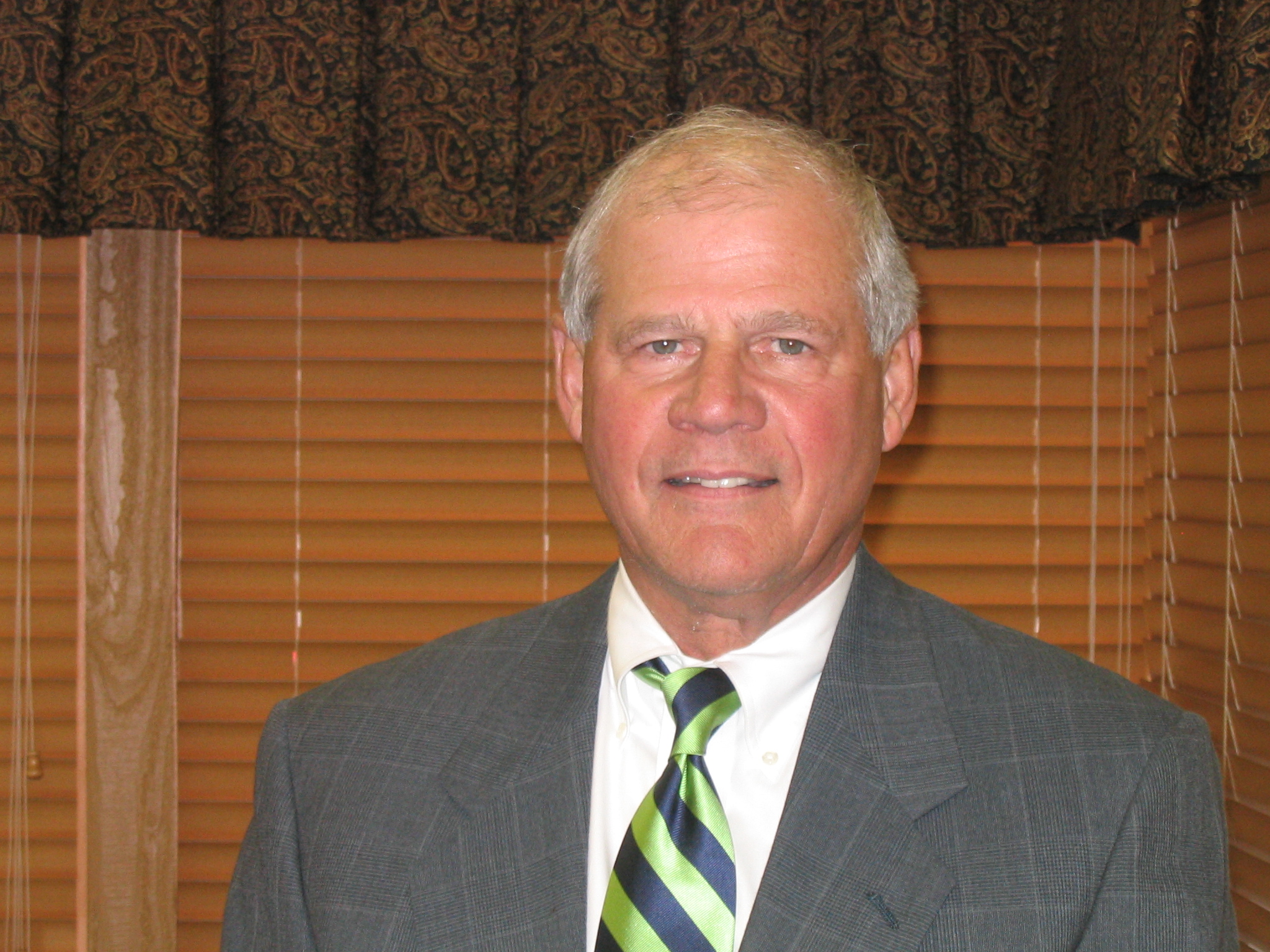
[caption id="attachment_6863" align="alignright" width="200" caption="James Mendillo"][/caption] The Illinois Supreme Court has appointed James R. Mendillo of Belleville to serve as a Commissioner of the Attorney Registration & Disciplinary Commission (ARDC). The ARDC is the Supreme Court agency that investigates allegations of lawyer wrongdoing in Illinois. His appointment is effective on January 1, 2010. Mr. Mendillo is a partner in the Belleville firm of Freeark, Harvey, Mendillo, Dennis, Wuller, Cain & Murphy, PC. He is licensed to practice law in both Illinois and Missouri. A trial attorney, Mr. Mendillo has substantial experience in the following types of cases: automobile; employment discrimination; construction accidents; insurance and bad faith; products liability; railroad grade crossings; Fair Credit Reporting Act; legal, dental, and medical malpractice; federal tort claims; and domestic relations. He represents both plaintiffs and defendants. A past President of the St. Clair County Bar Association, he is also a member of the Bar Association of Metropolitan St. Louis, the St. Clair County and Illinois State Bar Associations, the Missouri Bar Association, the Illinois and American Trial Lawyer Associations. He is AV rated by Martindale-Hubbell and is a listed mediator with U.S.A.& M. in St. Louis, Missouri. The new Commissioner earned his undergraduate degree from the University of New Haven and received a Juris Doctor from the Washington University Law School. He was a note editor of the Washington University Law Quarterly. After his admission to the bar, he was a staff law clerk under Chief Judges Marion Mathis and William Webster in the United States Court of Appeals for the Eighth Circuit before joining his current law firm in 1974.
-
December 28, 2009 |
Practice News
Cynthia Cobbs, Director of the Administrative Office of the Illinois Courts, has announced that the Third Judicial Circuit Judges voted to select Dean E. Sweet as an associate judge of the Third Judicial Circuit. Mr. Sweet received his undergraduate degree in 1973 from Eastern Illinois University and his Juris Doctor in 1976 from St. Louis University. Mr. Sweet is currently engaged in solo practice in Wood River.
-
December 21, 2009 |
Practice News
[caption id="attachment_6792" align="alignright" width="300" caption="Appearing on the show are (from left) Circuit Judge Lewis M. Nixon, Circuit Judge Jesse G. Reyes, U.S. District Judge Rebecca R. Pallmeyer and Lake County Associate Judge Mitchell L. Hoffman."][/caption] "The Foreclosure Process in Illinois" will be the topic of Judicial Perspective, a half-hour program presented by the Illinois Judges Association (IJA), airing on Chicago Access Network Television, Channel 21 in Chicago, on Saturday, Dec. 26 at 6:30 p.m. Appearing on the show are the Hon. Lewis M. Nixon, a judge in the Circuit Court of Cook County and first vice president of the IJA; Hon. Jesse G. Reyes, program moderator who is a judge in the Circuit Court of Cook County; Hon. Rebecca R. Pallmeyer, a judge in the U.S. District Court, Northern District of Illinois; and Hon. Mitchell L. Hoffman, a judge in the 19th Judicial Circuit of Lake County. The Illinois Judges Association, formed in 1971, provides continuing legal support to members of the judiciary and education to the public on matters regarding the court system.
-
December 17, 2009 |
Practice News
Public Act 96-835 was signed into law yesterday and took effect the same day. It restores a tax deduction that had been repealed in this spring’s budget bill. The repeal changed tax policy effective for tax years after Dec. 31, 2009 by limiting partnerships’ deduction to “guaranteed payments” instead of “reasonable compensation” for the Personal Property Replacement Tax. That change generally limits the deduction to income partners because equity partners’ income is based on their share of the distributable income of the partnership. It may be found at this link.
-
December 16, 2009 |
Practice News
What's the key to successfully relocating your practice? Planning, says Mary A. Corrigan in the latest issue of The Bottom Line, newsletter of ISBA's Standing Committee on Law Office Management and Economics. Relocating lawyers "must map out a plan well in advance of the move and must expect that there will surprises along the way in spite of the best laid plans." She provides a detailed timeline describing what steps to take when.
-
December 16, 2009 |
Practice News
Asked and Answered By John W. Olmstead, MBA, Ph.D, CMC
-
December 15, 2009 |
Practice News
Cynthia Y. Cobbs, Director of the Administrative Office of the Illinois Courts, announced today that Margaret (Meg) Marcouiller, received most of the votes cast by the circuit judges in the Nineteenth Judicial Circuit and is declared to be appointed to the office of associate judge. Ms. Marcouiller received her undergraduate degree in 1984 from Northwestern University and her Juris Doctor in 1990 from Loyola University in Chicago. Ms. Marcouiller is currently affiliated with the Lake County State's Attorney's Office in Waukegan.
-
December 15, 2009 |
Practice News
Dueling changes to § 107.50 of the Illinois General Not For Profit Corporation Act have lawyers scratching their heads, Adam M. Fleming reports in the latest issue of ISBA's Corporations, Securities, and Business Law Forum. One amendment allows electronic voting for officers and directors only if the corporation "opts in" by expressly allowing it in the bylaws. Another allows electronic voting unless the corporation "opts out" by prohibiting it. Is this inconsistency irreconcilable? What should lawyers for corporations tell their clients? Read Adam's informative discussion.