By Michael Gremer, UIC Law Student and Allison K. Bethel, Professor and Director, UIC Law Fair Housing Legal Clinic
Spotlight on Homelessness


By Michael Gremer, UIC Law Student and Allison K. Bethel, Professor and Director, UIC Law Fair Housing Legal Clinic
Spotlight on Homelessness
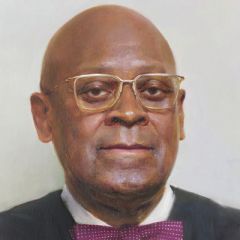
New Illinois Supreme Court Chief Justice P. Scott Neville, Jr., grew up in the Chicago Bronzeville neighborhood under challenging circumstances. As recounted in “Ready To Serve,” the Illinois Bar Journal’s December profile of the chief justice, those years “were challenging for his family and especially his mother, a schoolteacher,” Chief Justice Neville says. “But I maintain that those very difficult times made me the kind of person I am. I often say I grew up on the rough side of the mountain,” he says. “But it is pressure that turns coal into diamonds.

“Lawyers often regard procedural history as a formality and as something to endure, like the seat-belt announcement on an airplane,” writes Justice Michael B.

Justice Elizabeth Rochford of the Supreme Court of Illinois has begun an application process for an At-Large Circuit Judge vacancy in the Sixteenth Judicial Circuit, Kane County. The vacancy will be created by the retirement of Judge Kevin T. Busch on January 29, 2026.
The Illinois Supreme Court announced yesterday that it will begin including summaries with opinion releases. This is to give the public a clear explanation of the rulings in plain language.
The Court began including the summaries with today’s batch of opinions with the summaries available on the opinions page under Summaries/Notes.
Here are the November 20 opinions and summaries:
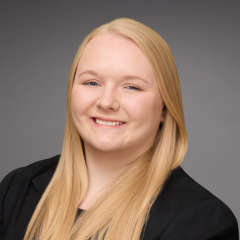
(CHICAGO, IL)—Goldberg Segalla added Patrycia Piaskowski to the firm’s Product Liability practice group in Chicago.
Leading appellate attorneys review the eight Illinois Supreme Court opinions handed down Thursday, November 20.

The November issue of the Illinois Bar Journal features two articles concerning gender violence and sexual abuse. The first is Whitney L. Barr’s “Gender Violence in the Workplace” and provides an in-depth discussion of the expanded protections included in recent amendments to the Gender Violence Act. The second is “Stand and Deliver” by Peter S. Stamatis, Steven S.
ALTON, Ill. – Simmons Hanly Conroy, one of the nation’s leading mass-torts and complex litigation firms, is proud to announce that 13 firm attorneys have been recognized in the 2026 edition of the Super Lawyers and Rising Stars lists for Illinois.

The Illinois Supreme Court Commission Lawyers’ Assistance Program has invited the participation of lawyers in an important survey about stress, mental health, substance use, and gambling in the Illinois legal profession.