

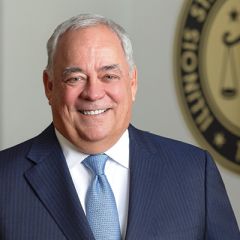
As the 150th president of the Illinois State Bar Association, Perry Browder, senior partner at Alton-based Simmons Hanly Conroy, envisions a robust agenda that will draw upon his impressive career as an attorney and bar leader. He’s previously served as president of the Illinois Bar Foundation (IBF) and the Illinois Trial Lawyers Association, and he’s spent more than three decades representing victims in asbestos-related mesothelioma cases, once obtaining a $250 million verdict for a retired steelworker.
Illinois Bar Journal
-
July 1, 2026 | Practice News
-
June 22, 2026 | Practice News

As of Jan. 1, 2026, employers with more than five employees must provide reasonable, paid break time at the employee’s regular rate of pay to employees to express breast milk for up to one year following the birth of a child. But as Abby Sissel notes in her June Illinois Bar Journal article, "From Breaks to Benefits," the Illinois Nursing Mothers in the Workplace Act does not define what constitutes a “reasonable” duration or frequency. Unlike other employment statutes that impose specific time limits or scheduling standards, the NMWA leaves determination open-ended.
-
June 15, 2026 | Practice News

-
June 8, 2026 | Practice News

-
May 26, 2026 | Practice News

The use of artificial intelligence (AI) in the legal profession has been colored by early missteps: spectacular hallucinations, unvetted filings, and judicial sanctions. But when used prudently, AI can (and will) help lawyers deliver better work faster and at lower cost. The question is not whether Illinois lawyers may use AI, but how they can do so while honoring confidentiality, preserving work-product protection, and avoiding privilege pitfalls. In his May Illinois Bar Journal article, “What’s Said to AI May Not Stay in AI,” Jake A.
-
May 18, 2026 | Practice News

In his May Illinois Bar Journal article, “Goods? Services? Both?,” William G. Beatty discusses the fine lines between the sale of goods and the sale of services. Deciding where the lines fall becomes critical in determining the respective rights of buyers and sellers.
-
May 11, 2026 | Practice News

Alluding to the legend of the Gordian knot, in which Alexander the Great found it easier to slash apart a knot so complex it could not be untied, Jay E. Harker, in his May Illinois Bar Journal article, “Solving the Gordian Knot: Three Estate-Planning Conundrums for Blended Families,” notes that as many as one in every five children in the U.S.
-
May 4, 2026 | Practice News

Judges, clerks, and court staff are using artificial intelligence (AI), but they are by no means bullish about employing the technology in court. The ISBA hosted a symposium this March in which judges discussed the ways AI is affecting the administration of justice. The program, titled “The Judiciary, Legal Academia, and Artificial Intelligence Going Forward,” was sponsored by the ISBA sections on Federal Civil Practice and Civil Practice & Procedure. A digest of the all-day program is featured in the Illinois Bar Journal’s May issue.
-
April 27, 2026 | Practice News
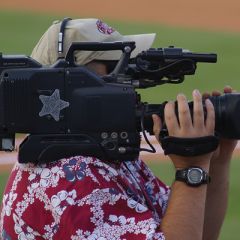
The Chicago Cubs are winning; the Cardinals are “meh”; and, well, White Sox fans, we feel for you. Whichever team is your favorite, watching them play often requires searching for which television station, streaming channel, website, radio station, or app has the game on that day. How did finding a way to watch your favorite team get so complicated? Read Maria M. Pimentel Diaz’s article, “Turning on the Game,” in the April Illinois Bar Journal.
-
April 13, 2026 | Practice News
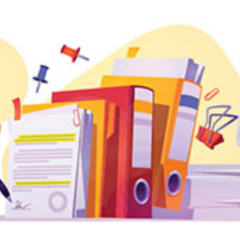
In his April Illinois Bar Journal article, “Key Changes in Illinois Employment Law,” Bamdad Shams details a wave of new laws that have fundamentally transformed compensation transparency, personnel record access, payroll documentation, and the use of artificial intelligence in employment for Illinois employers.